

A handheld computer for warehouses is a portable tool that can help warehouse employees navigate barcodes, and perform stock tasks without going back to a desk. There are many different names for it, including"a "palmare magazzino," but it's essentially a robust mobile terminal made for work in logistics. Many models have an barcode scanner, touchscreen, as well as a an internet connection, which allows them to connect to a WMS and ERP software. The device is built to stand up to drops and regular wear, since warehouses aren't soft places. The purpose is simple: collect the relevant data in the correct moment, right where the work occurs. When that data goes into the system immediately it helps keep the warehouse clean and free of surprises. For many tasks, this device becomes as regular in its use as tape guns or pallet Jack.
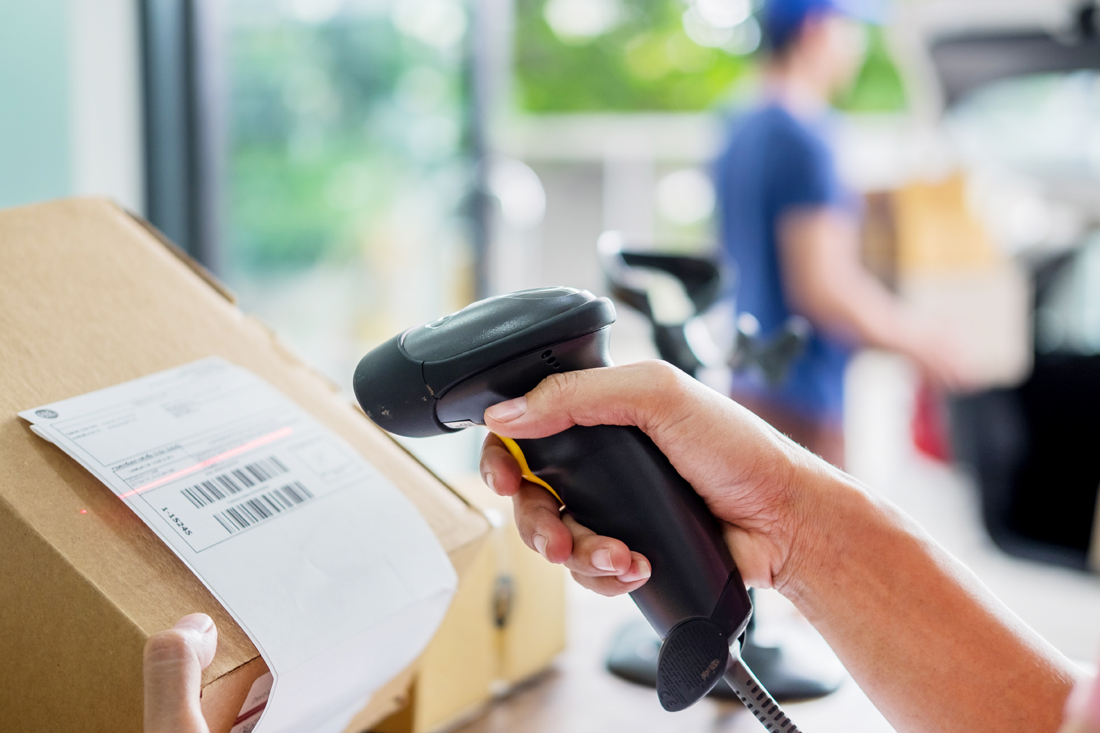
For everyday tasks, the handheld computers are used for scanning barcodes during packing and picking, which allows workers to confirm that they've picked the right item. When a person scans an item the display will show the product name, codes, or even the precise location of storage. This helps locate items fast, particularly when you have large warehouses with shelves that look almost identical. The device can also record on the arrival of shipments inbound, so stock gets changed as soon as items are brought into the premises. When it comes to outbound shipments it will confirm all the correct cartons have left, reducing shipping mistakes which can cost money and time. Many warehouses also use hand-held devices for counting cycles and staff are able to monitor inventory levels at any time without stopping operations. Over time, this kind scan-based workflow reduces on human errors and speeds up the process and improves traceability in a way the paper logs can't be matched.
One of the main advantages of handheld computer is the fact that they support real-time inventory updates without slowing up the pace of work. When a worker scans a product, the system can update stock immediately to ensure accurate inventory all day long. If a product is moved from one shelf to another by scanning it, the scanner will update the inventory right away. This can be beneficial because error is among the most common causes of lost space in warehouses. If the system displays the wrong aisle employees may have to search for longer and order processing can be delayed. The handhelds can also aid in count cycles because employees can check items at normal times and not have to stop the warehouse to complete a closing count. Since updates happen instantly and are instantaneous, management can identify low-stock issues sooner and plan replenishment in advance of an emergency. Such a level of awareness can often be the difference between calm shifts and constant firefighting.
Picking the right Warehouse Handheld Computer is less about buying the pricier model, and much more about coordinating the equipment to how the warehouse works. Ruggedness matters because warehouses are extremely demanding on equipment. Therefore, it is essential that the equipment can withstand falls dust, temperature, and fluctuations without crashing. The scanner's quality is also important as some businesses only employ straightforward 1D barcodes, whereas others rely on 2D codes, and require speedier reading. When scanning takes place at different distances, the device should support the range workers need in addition to close-up scans. The battery life is crucial because long shifts can cause the device to become weak and require interruptions for charging and swapping. Many warehouses prefer Android devices now because the system is widely used and supports plenty of business apps. The connectivity is important, too, since Wi-Fi is common, but some sites also require Bluetooth to access peripherals as well as 5G and 4G for greater reach. To receive more details kindly head to Idsolutions

The comfort and user-friendliness might seem minor but they can quietly shape the way you work every day. Handhelds that are difficult to grip can result in fatigue, particularly when workers are required to scan their screens hundreds of times during a shift. A screen that's hard to read in the bright light of the dock can slow down tasks and lead to mistakes. The buttons, scanner triggers as well as touch-based responses must feel natural, particularly for employees wearing gloves and working quickly. The device should also work seamlessly with warehouse management system or ERP as a smooth flow of software is what keeps the equipment functional. If the interface is difficult to navigate it can take new users longer to get trained, and more experts may come up with solutions that create errors. The ideal handheld must feel easy, quick and consistent, as though it belongs in the worker's hand. If usability is good the user spends less time battling the gadget and more time moving goods properly.
The real-world applications make the benefits of handheld computers clearer than any technical description. Picture an order picker receiving a picking list on handheld device. They walk towards the location of first choice, then scanning the shelf label, before scanning the product to confirm it matches. The device will assist the user through the steps, decreasing the chance of making a mistake and cutting back on the need to walk. During a stock count, the team is able to scan products across several aisles and immediately see any updates and help managers identify gaps or mismatches immediately. On the dock for loading, staff can scan incoming cartons and assign their locations to speed up receiving and keeping records clean. In the case of outgoing shipments scans can verify that every carton is part of the correct shipment before the shipment leaves, thus avoiding those painful "wrong item delivered" moments. For warehouses that are busy, these devices also help identify who was scanning what the time, which increases traceability and accountability.